
Home Renovation Costs-Waterloo Region (Updated for 2026)

Share this article
Table of Contents

Home renovation is a massive undertaking, especially in the tri-city Waterloo region, because of the varying city permits and labour fees.

home renovation cost

However, this guide is here to help you plan any project in Waterloo, Kitchener, and Cambridge, with information on city-wise permits, labor costs, and room-by-room costs, depending on the age of your home, down to the last penny, with financing and ROI guidance based on 2025 costs.

Average Cost of a Home Renovation in 2025

Depending on the type of home renovation project or extent of renovation, which can be either a light or cosmetic upgrade, a mid-range remodel, or a full gut, high-end renovation, the average house renovation cost changes.

Project Tier

Typical Whole Home Renovation Cost Range

Light Updates (Cosmetic)

$100,000 – $300,000

Mid-Range Remodels

$200,000 – $500,000

Full Gut / High-End Renovations

$500,000 – $900,000+

What factors decide these cost ranges in the Waterloo Region (Kitchener-Waterloo-Cambridge), you ask:

  1.     Structural & Layout Changes
  2.     Age & Condition of Home
  3.     Material & Customization Level
  4.     Professional & Design Fees
  5.     Permits & City Fees
  6.     Inflation on material costs
  7.     Labor availability

Lastly, a detached family home vs. a townhouse also plays a decisive role in the overall costs, logistics and scope of work.

For example, a post-war bungalow in the Beechwood or Lakeshore neighborhoods of Waterloo may demand a complete overhaul beginning with a structural update. But a modern townhome in Kitchener’s Huron Park and Doon will have predictable house renovation costs.

Then come access issues. Yes, seemingly innocent, but an important factor is easy and smooth site access.

Your heritage home in Galt, Cambridge may have easy access, but its old stones will also demand specialized labor and extensive reinforcement work. If you plan to renovate a house in spring and summer, labor may not even be available as it’s the peak construction season.
Average Cost per Square Foot

Here’s the overall breakdown of cost per square foot with varying home project tiers in Waterloo, Kitchener and Cambridge.

City

Cosmetic changes (minimal)

Mid-Range (some layout/system change)

Full Remodel / Gut (major re-work)

Kitchener

~ CAD $35 – $45/ft²

~ CAD $50 – $100/ft²

~ CAD $175 – $300+ /ft²

Waterloo

~ CAD $40 – $50/ft²

~ CAD $55 – $110/ft²

~ CAD $180 – $300+ /ft²

Cambridge

~ CAD $45 – $55/ft²

~ CAD $60 – $120/ft²

~ CAD $175 – $300+ /ft²

Interior vs Exterior Renovations

While interior work directly adds to your ROI, exterior work adds to your home’s curb appeal and energy efficiency.

Interior Renovations (Kitchen, Bathroom, Basement, Living Spaces)

Room / Area

Basic Renovation

Mid-Range Remodel

High-End / Luxury

Kitchen

Waterloo: $20K–$35K
Kitchener: $18K–$32K
Cambridge: $17K–$30K

Waterloo: $35K–$60K
Kitchener: $32K–$55K
Cambridge: $30K–$50K

Waterloo: $60K–$120K+ Kitchener: $55K–$110K+ Cambridge: $50K–$100K+

Bathroom

Waterloo: $9K–$15K
Kitchener: $8K–$14K
Cambridge: $7K–$13K

Waterloo: $15K–$25K
Kitchener: $14K–$23K
Cambridge: $13K–$22K

Waterloo: $25K–$50K+
Kitchener: $23K–$45K+ Cambridge: $20K–$40K+

Basement (Finish/Remodel)

Waterloo: $25K–$45K
Kitchener: $23K–$40K
Cambridge: $22K–$38K

Waterloo: $45K–$70K
Kitchener: $40K–$65K
Cambridge: $38K–$60K

Waterloo: $70K–$130K+ Kitchener: $65K–$120K+ Cambridge: $60K–$110K+

Bedroom

Waterloo: $5K–$10K
Kitchener: $4.5K–$9K
Cambridge: $4K–$8K

Waterloo: $10K–$20K
Kitchener: $9K–$18K
Cambridge: $8K–$17K

Waterloo: $20K–$35K+
Kitchener: $18K–$32K+ Cambridge: $17K–$30K+

Living Room / Family Room

Waterloo: $8K–$15K
Kitchener: $7K–$13K
Cambridge: $6K–$12K

Waterloo: $15K–$30K
Kitchener: $13K–$28K
Cambridge: $12K–$25K

Waterloo: $30K–$60K+
Kitchener: $28K–$55K+ Cambridge: $25K–$50K+

Next, let’s understand roofing cost, siding cost, window replacement, and landscaping upgrades and their effect on life-cycle benefits.

Project

Average Cost Range

Roofing (Asphalt Shingles)

$6 – $12/sq.ft.

Siding / Cladding (Vinyl/Composite)

$2.50 – $11/sq.ft.

Energy-Efficient Windows

$350 – $850 per window

Insulation (Spray Foam)

$3 – $8/sq.ft.

Landscaping / Deck

$50 – $85/sq.ft

Full Home Remodel vs Partial Upgrades

A full home remodel or partial upgrades, which one is it for you?

If yours is an old home having witnessed generations grow, and if you’re considering major replacements or layout changes, like complete rewiring or converting your home into an open-concept space, a full remodel is your answer.

You may need to relocate for 3-6 months, but the result is peace of mind and a home of your dreams with fewer long-term surprises.

On the other hand, phased renovation is for homeowners with newer homes and limited budgets.

Home Renovation Cost Breakdown

Let’s understand the total renovation cost breakdown in detail

Category

Typical Share of Total Budget

Labor

30–40%

Materials & Fixtures

35–45%

Design & Engineering

5–10%

Permits & Inspections

2–5%

Contingency Fund

10–15%

Despite these allocations, you must set aside an allowance, i.e., a specific amount set aside for items whose exact cost is uncertain at the time of finalizing the contract.

For an unshakeable allowance, don’t get tempted by high-quality material at the time of selection. If you must, communicate material choices clearly with your contractor and set a high allowance from the word go.

Now comes the elusive contingency fund. How much is enough? Experts recommend setting aside at least 10 – 20% of the total home renovation budget.

Where does the contingency amount go?

·       To cover unexpected costs, which come in the form of a surprise asbestos removal or even a modification request.

·       To upgrade outdated electrical work to meet current codes.

·       To accommodate unexpected permit delays.

Design and Planning Costs

With the vision of the renovated home and the dollars needed in the bank, you now jump into pre-construction planning.

Look at this phase as an investment rather than a stray expense you want to wiggle out of, and you can gift yourself time, peace of mind, and handsome cost savings in surprise expenses.

Service Category

Typical Cost Range

Design Fees

$75–$200/hour

Architectural Design Package

$3,000–$15,000+

Permit Drawings / 3D Renderings

$1,000–$5,000

Structural Engineer Consultation

$500–$1,500

Plan Preparation (Architectural Technologist)

$1–$3 per sq. ft.

Detailed floor plans, architectural drawings will get you accurate design fees.

What’s the benefit of such extensive paperwork, you ask?

·       Fewer change orders

·       Fewer errors

·       Accurate estimate

·       Early risk detection

Structural and Framing Work

In cities like Waterloo, Kitchener, and Cambridge, removing a load-bearing wall to open up your kitchen can cost anywhere between $2,000 and $10,000+, depending on beam type and complexity.

Electrical, Plumbing, and HVAC Systems

A complete system upgrade can include electrical upgrade, plumbing rough-in, HVAC sizing

Here’s what upgrading each system entails:

·        Electrical upgrade

1.     It is often recommended for heritage homes, which typically have knob-and-tube wiring or need a panel capacity upgrade.

2.     Permits for electrical work are handled by the Electrical Safety Authority (ESA). In Waterloo, electrical work independent of a building permit is charged at 1% of the construction cost.

·        Plumbing upgrade

1.     It can either include a plumbing rough-in, which is the early-stage installation of pipes, drain lines and vents before the walls are sealed, or a standard re-piping.

2.     Both jobs require permits. In Kitchener, a plumbing permit fee is $11 per fixture.

·        HVAC sizing

1.     Central air-conditioning or forced-air heating systems in heritage homes will need retrofitting ductwork.

2.     Home additions also necessitate HVAC will need resizing.

3.     Upgrading an HVAC system requires a permit, which in Kitchener is $95 per residential suite.

Finishes and Materials

By now, you must be aware of the three finish tiers, but what distinguishes each tier?

Finish Tier

Materials

Builder-Grade/Affordable

·        Laminate countertops

·        Thermofoil cabinets  

·        Vinyl or laminate flooring

Mid-Range/Standard

·        Quartz countertops (50–150/sq. ft.)

·        MDF or Wood cabinets

·        Engineered hardwood flooring (6–12/sq. ft.)

Premium/Luxury

·        Marble countertops (45–250/sq. ft.)

·        Custom wood cabinetry (100–120/linear ft.)

·        High-end appliances and luxury flooring (12–20+/sq. ft.)

Major Room-Specific Renovation Costs

Let’s dig into interior renovations in detail with room costs that will point you towards your high-ROI room.

Room

Primary Benefit

Kitchen

Best ROI (75%–100%)

Bathroom

High ROI (70%–90%)

Basement

Highest ROI (100%+)

Living Room

50% – 70%

Kitchen Renovation Costs in Waterloo Region

Make informed choices between the interplay of standard and high-end materials for countertops and new kitchen cabinets. 

Bathroom Renovation Costs

Yet another wet room, like the kitchen, the bathroom upgrade can be labor-intensive, requiring special attention to waterproofing, plumbing, and ventilation.

If your ideal bathroom vision has high-end tile work, a whirlpool tub, or even a custom shower system, prepare for high costs as well.

Basement Renovation Costs

Installing a moisture barrier, framing, insulation, and a vapor barrier are a must if you want to convert your basement into a legal rental suite.

In Waterloo, egress windows are a non-negotiable code requirement if you want to add a bedroom.

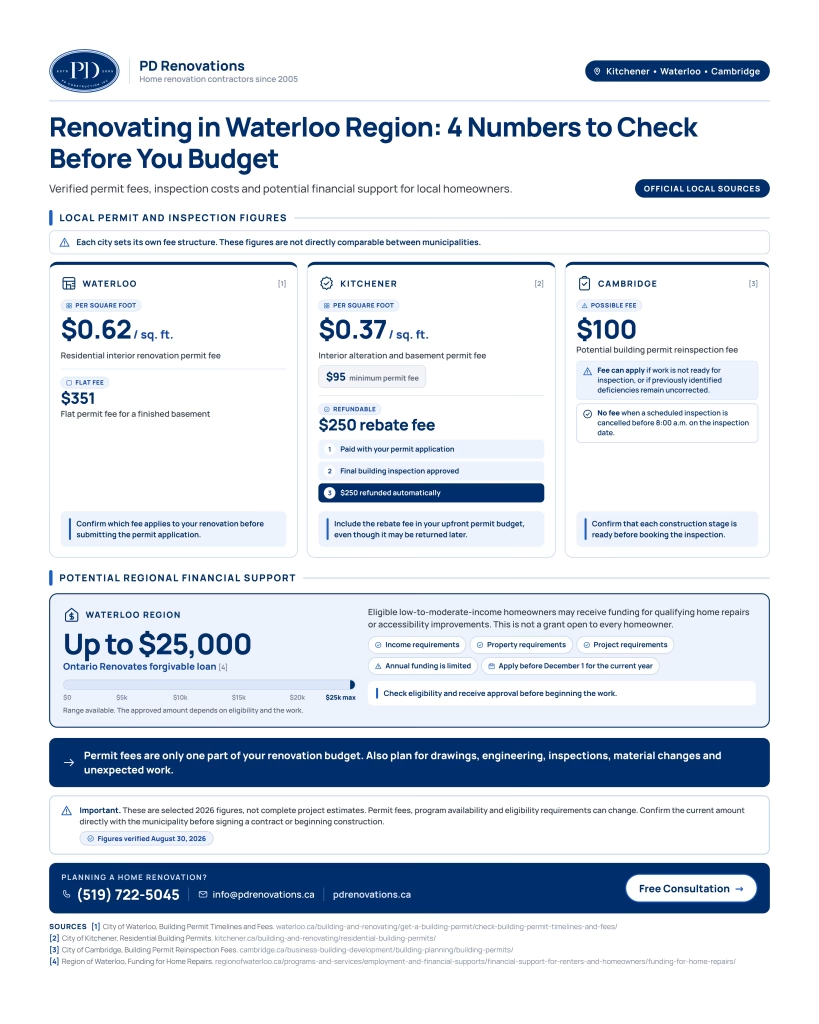
The conversion of the basement into a rental suite can bring 100% ROI for homeowners. However, this triggers Development Charges. In Waterloo, for example, the “creation of a residential dwelling unit in an existing building” incurs a flat fee of $350.00 per unit plus the cost per square foot of renovation.

Living Room and Bedroom Remodel Costs

Living room remodel and bedroom renovation are simpler and less complicated projects as they’re dry rooms. However, soundproofing and built-ins add a touch of personal comfort.

Exterior Upgrades and Curb Appeal Projects

Turning the leaf inside out, let’s now talk about the exterior renovation.

Here, roofing, siding, windows, doors, porches and decks add curb appeal and structural integrity.

However, energy-efficient upgrades deserve a special mention here, as programs like the Canada Greener Homes Initiative offer rebates up to $5,000 for retrofits, including insulation and windows.

Moreover, energy-efficient windows and insulation upgrades can reduce annual utility bills by $200–$600.

Permits and Building Codes in Waterloo Region

In the Waterloo region, building permits are mandatory for home improvement projects involving the following upgrades:

·       Structural changes, especially when adding or removing walls

·       plumbing

·       electrical

·       HVAC

·       Finishing unfinished spaces

·       Adding exterior structures such as decks or balconies.

Inspections are mandatory under the Ontario Building Code Act and take place consistently between rough-ins and final handover. No work can be concealed until approved, and in Kitchener, a $250 rebate is issued after approval. 

As for electrical inspections, they are managed separately by the Electrical Safety Authority (ESA).

Waterloo homeowners can book and track inspections online through its building portal.

City of Waterloo Permit Requirement

·       The city of Waterloo needs permits for renovations, additions, and finished basements.

·       Permit application should include scale drawings along with the Energy Efficiency Design Summary (SB-12), Mechanical Ventilation Design Summary, and egress window details.

·       The drawings must be prepared by a qualified designer/architect/engineer/BCIN holder)

·       The drawings should show floor plans, framing, plumbing systems, and door/window sizes.

·       Before starting, verify zoning compliance, especially setbacks and lot coverage for additions.

City of Kitchener Permit Requirements

·       The City of Kitchener requires permits for interior alterations, basement finishing, additions, and structural changes.

·       Trade-specific permits are needed for plumbing ($11 per fixture, $95 minimum), HVAC system changes ($95 per suite), and electrical work.

·       Removing a load-bearing wall also requires its own permit and supporting documents.

·       Include Schedule 1 designer forms, energy efficiency summaries, and dimensioned digital drawings.

Pro tip: Use Kitchener’s online services portal for speedy approvals.

City of Cambridge Permit Requirements

·       The City of Cambridge has a minimum permit fee of $140.00.

·       Accessory structures like garages, sheds, or decks will need extra charge.

Beware:

Cambridge levies a plan review fee. This means that changes made after the initial review incur an extra $0.20 per sq. ft. (minimum $140).

If you start the construction before obtaining a permit, you can face penalties up to 100% of the regular fee.

City-by-City Cost Comparison

City

Permit Fees

Waterloo

$0.55/sq.ft (interior), $313.60 (basement)

Kitchener

From $0.37/sq.ft

Cambridge

$0.52/sq.ft (reno), $1.67/sq.ft (additions)

Kitchener (Average renovation cost per sq. ft.: $120–$220 depending on project type)

Kitchener has a low base permit fee ($037 per square foot) for both interior work and finished basements.

Newer housing units in some neighborhoods and available trades in some projects mean that full-home renovations start further lower at $120/sq. ft.

Waterloo (Average cost per sq. ft.: $130–$250 for premium remodels and older homes)

Waterloo’s beautiful heritage homes demand detailed engineering and design drawings, premium finishes, structural fixes, and full system overhauls, which inevitably drive the Waterloo renovation cost in the higher range.

Add to that high municipal Development Charges for new dwelling units, and costs can rise quickly.

Cambridge (Average cost per sq. ft.: $110–$200 with lower labour rates but limited trades availability)

Cambridge is known for its low labor rates. However, combined with the limited trade availability and homeowners can experience stretched timelines and scheduling issues.

The Renovation Process

The renovation process can take from 3 to 6 months.

In case of a gut work, it can even take up to a year.

No matter the type of project, every renovation is made up of these basic phases:

  1. Consultation & Planning
  2. Design & Engineering
  3. Permits & Approval
  4. Construction (Rough-ins)
  5. Finishing & Handover

Financing and Budgeting for Home Renovations

Large projects, such as full gut renovation, need large capital, in which case Home Equity Lines of Credit (HELOCs) or mortgage refinancing is ideal.

A personal renovation loan is the best option for a small project.

Pro tip: Energy-efficient projects can avail the benefits of government grants and rebates, such as those provided by the Canada Greener Homes Initiative (up to $5,000).

Financing Options (HELOC, CMHC renovation loans, local bank programs)

While tapping into your Home Equity Line of Credit (HELOC) or refinancing your mortgage are valid options for homeowners, the approval and interest rate of both depend on lender requirements, which include the homeowner’s credit, home equity, and goals.

If you’d rather not touch your mortgage, renovation loans and bank-backed programs (like CMHC’s) offer shorter-term funding options.

Funds are usually released in stages or “construction draws” so lenders can see that the work is on track.

In the Waterloo region, cities have their own checkpoints as well. For example, in places like Kitchener refund a rebate fee once your final inspection is approved. Budgeting Tips (Phased upgrades, prioritizing high-ROI rooms, local supplier discounts)

When you maximize your ROI while keeping costs under control, you hit the sweet spot called smart budgeting. Here are some budgeting tips to help you achieve just that!

Upgrade your kitchen and bathroom, as they are high-ROI rooms. However, in doing so, make economical choices by going for quartz over marble or even pre-finished floors over site-finished floors.

Shop source materials, high-end fixtures, and appliances locally.

Negotiate off-season discounts with contractors.

Return on Investment (ROI) in Waterloo Region

When functional living space marries updated high-ROI rooms, the result is a handsome ROI for your home.

Having said that, comfort and lifestyle and valid returns as well.

Go for the luxury renovation that stands out in your neighborhood if that’s more your taste.

Long-Term Resale Impact and Market Trends

Housing market trends in Waterloo region appreciate comfort, efficiency, and sustainability.

This means that trends lean towards energy-efficient upgrades, high-performance windows, upgraded insulation, modern HVAC systems, open-concept living spaces, smart home features, flexible layouts, and multipurpose rooms.

Pro Tip: Documented permits and completed inspections are often ignored but greatly valued and appreciated in resale property value. 

Common Challenges During Home Renovations

Delay in receiving materials or trade shortages, especially in Cambridge, can derail the process.

Just like materials, permits are notoriously delayed as well, particularly in high-seasonal backlogs in Kitchener.

While neither of the above is in your control, being wary of the structural issues of your heritage home is. Don’t be surprised by outdated wiring or mold. Rather, invest well in the planning phase. 

Pre-order long-lead materials and partner with the best contractors in Waterloo to bypass material and permit delays.

How to Keep Home Renovation Costs Under Control

1.     Finalize drawings and scope before going contractor hunting.

2.     Compare three to five contractor quotes.

3.     If you can schedule work in the off-season (January–March) or negotiate off-season quotes with reputable contractors.

FAQs About Home Renovation Costs in Waterloo Region

How long do most renovations take?

3–6 months for small projects. 8 months for structural changes.

Which projects need permits?

Structural changes, plumbing or electrical work, finishing basements, or altering insulation levels.

What’s the most cost-effective upgrade first?

Kitchen and bathroom remodels, finished basements, and energy-efficient upgrades.

Do I need a contingency, and how much?

Yes, 10–20% of the final price.

Final Thoughts

Plan in detail, prepare the drawings, permits and home renovation budget well in advance. Compare quotes, finalize materials, and set aside a contingency fund all from the word go. The rest of the process involves an experienced contractor in the Waterloo region, who can bring that vision to life.

Do your part well, plan smart and trust the experts to renovate your home better. 

Picture of Paul Demrovski

Paul Demrovski

Founder of PD Home Renovations, is a trusted general contractor in Kitchener-Waterloo with 20+ years of experience in residential and commercial renovations.

Expert Resources